
Friday Programme
| Research | Sustainability | NOME/Adolescents | ||
| 08:00 – 18:00 | Registration Open | |||
| 09:00 – 12:00 | School Visits | |||
| 09:00 – 10:15 | Research Session 1: Fostering Well-Being Through Trust | Sustainability – Ecosystemic Thinking and the ME Audit Tool (Carola Lang-Howard and Heidi van Staden) | NOME Working Session | |
| 10:15 – 10:30 | Comfort Break | |||
| 10:30 – 12:00 | Research Session 2: A Web of Trust: Following the Child in Research and Practice | |||
| 12:00 – 13:30 | Lunch and Exhibitor Shopping | |||
| 13:30 – 14:30 | KEYNOTE – Trust, Peace and Resilience through Respectful Physical Care Interactions – Julia Manning-Morton | |||
| 14:30 – 14:45 | Comfort Break | |||
| 14:45 – 16:15 | Research Session 3 – Symposium: Exploring Moral and Spiritual Dimensions of Montessori Education | Sustainability – Introducing the Ecosystemic Flourishing (ESF) Framework (Wendy Ellyatt) | Adolescents: Students as Agents of Change: Social Innovation Through a Montessori Lens (Rachel Marks and Andrea Ng-Willis) | |
| 16:15 – 16:30 | Comfort Break | |||
| 16:30 – 18:00 | Research Session 4 – Montessori for a Peaceful World: Education as a Tool for Transformation | Sustainability – Growing Sustainability Skills: Insights from Eco-Schools in Action (Gunta Kalvāne, Daniels Trukšāns, Līva Kraujiņa) | Adolescents: A programme for an SDG-based transformation from second to third plane development (Riemer Brandsma and San van Donselaar) | |
| 18:00 – 18:30 | Comfort Break | |||
| 18:30 – 19:15 | Montessori Europe AGM | |||
Friday Morning, 27 March 2026 09:00 – 12:00
School Visits
As part of the Montessori Europe 2026 Congress, attendees will have the opportunity to visit some of Riga’s inspiring Montessori schools. These visits will allow you to observe Montessori pedagogy in action across different age groups and environments, and to see how schools in Riga are cultivating trust, resilience, and peace through their daily practice.
School visits must be booked together with your Congress registration, and spaces are limited. Allocation will be on a first-come, first-served basis. Please note that it is each delegate’s responsibility to check the school’s location on Google Maps and arrange their own transport – whether by foot, tram, bus or taxi.
International Montessori School of Latvia (IMSOL)
Age groups: 3-6 and 6-12
IMSOL began as a preschool in 2019 and has since expanded into a thriving international Montessori school, offering programmes from preschool through elementary. Accredited by both the IB PYP and Waterpark Montessori Institute, IMSOL provides a bilingual, holistic education that continues to grow with the needs of its community.
Private Montessori Preschool “Knābis”
Age Groups: Toddler and 3-6
Celebrating 25 years in 2026, Knābis is a unique family-run preschool where children aged 1.5 to 6 learn in close connection with nature. With daily outdoor experiences in the “Blueberry” learning forest, a garden with animals, and small-scale Montessori houses, the school blends faith, creativity, and the joy of exploration into a unified Montessori environment.
.

Private Montessori Preschool “Krāsainās pērles”
Age Groups: Toddler and 3-6
Operating since 2018, Krāsainās pērles has two branches in Riga serving 145 children. Rooted in the values of collaboration, mindfulness and respect, the preschool offers an inspiring Montessori education that supports each child’s growth at their own pace.
.
.

Montessori School “Mazulītis Rū”
Age Groups: 3-6 and 6-12
Mazulītis Rū offers Montessori education in mixed-age groups for children aged 1-6, with the option to continue into private Montessori Primary School. Rooted in respect, fairness and compassion, the school fosters confident, curious and socially responsible learners in a child-centred environment.
Pārdaugava Montessori School
Age Groups: 3-6 and 6-12
Located in Riga’s historic Ãgenskalns district, Pārdaugava Montessori School has offered preschool education for 16 years and an elementary programme for 12 years. With spacious classrooms and a garden setting, the school nurtures independence and natural development for children aged 1.5 to 12 years.

International Montessori School of Latvia (Pirmie Soli)
Age Groups: 3-6
Pirmie Soļi was founded to provide authentic Montessori education that nurtures independence, creativity, and responsibility. The school’s mission is to support each child in becoming a happy, peaceful individual who can express themselves with confidence and care.

Private Montessori preschool “Pērļu māja”
Age Groups: Toddler and 3-6
Founded in 2013, Pērļu māja provides Montessori education for children aged 1.5 to 6 years in a supportive and inclusive environment. With a strong focus on professional development and collaboration with parents, the school is dedicated to meeting the diverse needs of all children.
Montessori School “Pētnieki”
Age Groups: 3-6, 6-12
Pētnieki is a private Montessori school serving children from preschool (3-6) through elementary (grades 1-6). Located in a peaceful green area by the lake, the school offers a warm, family-like atmosphere where nature, independence, and emotional intelligence are central to daily learning.

Prosum Montessori Elementary School
Age Groups: 1.5 – 3, 3-6, 6-12
Founded in 2009, Prosum offers authentic Montessori education in Riga for children from 1.5 years through elementary. With toddler, early childhood and lower elementary classrooms, the school fosters respect, freedom and a lifelong love of learning.
09:00 – 12:00 National Organisations of Montessori Europe Working Session
National Organisations Meeting
Following on from the fruitful discussions in Oslo, Montessori Europe invites representatives of National Montessori Organisations to come together for a facilitated working session in Riga. This three-hour session provides a dedicated space to strengthen connections, share current challenges, and explore opportunities for collaboration across Europe.
With Montessori education facing both new possibilities and pressing challenges, the meeting will focus on how national organisations can work collectively to:
- Support and sustain authentic Montessori practice across diverse contexts
- Share resources and strategies for advocacy, recognition, and policy engagement
- Build a stronger European network that amplifies Montessori voices at regional and global levels
Guided facilitation will ensure that every organisation has the opportunity to contribute, while also leaving space for creative dialogue and future planning. The session aims to move beyond information sharing towards concrete steps for sustaining Montessori education in Europe, rooted in trust, collaboration, and mutual support.
Montessori Europe 2026 Sustainability Workshops
As part of the Montessori Europe Sustainability Pillar, this year’s workshops invite participants to move from theory to practice in their sustainability journey. Building on the 2025 Sustainability Handbook, Carola Lång-Howard and Heidi van Staden will also introduce the new Montessori Europe Sustainability Audit Tool – a practical framework designed to help schools reflect, assess, and plan for meaningful change.
Morning Session (09:00–12:00)
Eco-Systemic Thinking and the Audit Tool
The session begins with an exploration of eco-systemic thinking, understanding how natural, human, and social systems are interconnected. Through guided dialogue and interactive activities, participants will reflect on how Montessori’s Unitive Vision and Cosmic Education align with a systemic approach to sustainability.
From there, attention shifts to the Audit Tool itself. This non-evaluative, developmental resource is designed to help schools reflect across five domains of sustainable practice: Nature and Built Environment, Resource Use, Curriculum and Pedagogy, Culture and Community, and Food and Wellbeing.
Participants will receive a copy of the tool, walk through its structure, and have the opportunity to apply it directly to their own school context. Working individually or in pairs, they will identify one strength, one challenge, and one possible action step to take forward. This workshop is an invitation to move beyond inspiration into action – equipping Montessori educators with the tools to cultivate resilience and flourishing within their own environments.
Carola Lång Howard

Heidi van Staden
Afternoon Session (14:45–16:15)
Introducing the Ecosystemic Flourishing (ESF) Framework
This session invites you to explore the Eco-Systemic Flourishing (ESF) Framework – a fresh way of imagining wellbeing that is holistic, relational, and deeply connected to life’s interdependence. At its core lies the belief that human flourishing cannot be separated from the health of our communities, cultures, and the natural world.
The framework highlights seven universal human needs – security, relationship, independence, engagement, fulfilment, contribution, and growth – woven together across four domains: the Natural Environment, Circular and Regenerative Economics, Cultural Values and Identity, and Human Capacities and Potential.
Educators are invited to see Eco-Systemic Flourishing not as a rigid model, but as a compass: one that trusts the innate potential of children, honours their relational and spiritual capacities, and situates learning within living systems. Montessori allows us to cultivate environments where trust, belonging, and wonder can flourish, and where children grow as agents of care, creativity, and planetary responsibility.
Afternoon Session (16:15–16:45)
Growing Sustainability Skills: Insights from Eco-Schools
This workshop aims to inspire educators by showcasing successful initiatives from Latvia’s Eco-Schools Programme and highlighting practical ways to embed sustainability across all levels of education from kindergartens to the University of Latvia, a Green Flag holder and host of the Montessori Congress.
The workshop explores how circular economy, biodiversity, and climate change topics can be woven into daily life through activities such as food-waste campaigns, bird-feeding projects in kindergartens, reuse and repair workshops, parent-child hiking trips, wildflower meadow restoration, and university community gardens. Music and creative approaches will also be discussed as powerful tools for making sensitive issues more meaningful.
A key theme is the role of climate emotions: understanding and addressing them can empower students to engage with sustainability and take positive action. Examples will show how students participate in municipal initiatives, such as advocating for pedestrian crossings, demonstrating how small, everyday actions can collectively address complex “wicked” challenges like climate change. Reflecting the Congress theme The Courage to Trust, the workshop affirms that community strength and trust in young people are essential in building a more sustainable future.
Introducing the Ecosystemic Flourishing (ESF) Framework

Wendy Ellyatt
Growing Sustainability Skills: Insights from Eco-Schools in Action
Dr. Gunta Kalvāne
Growing Sustainability Skills: Insights from Eco-Schools in Action
Daniels Trukšāns
Growing Sustainability Skills: Insights from Eco-Schools in Action

Līva Kraujiņa
Montessori Europe Research Day
This year’s Research Day is dedicated to a rich exploration of the core principles of Montessori education and their contemporary relevance. The sessions are designed to build progressively – from the close relationships within the classroom to the wider societal and global implications of Montessori pedagogy.
The day will open with a focus on how trust, autonomy, and wellbeing are nurtured among teachers, parents, and children, laying a strong foundation for the discussions that follow. Attention will then turn to how trust in the child shapes innovative research methodologies and empowers children’s voices in the learning process.
At the heart of the day is a keynote by Julia Manning-Morton, who will address how respectful physical care interactions with young children underpin the development of trust, peace, and resilience. Her contribution will provide a vital link between the morning’s practical themes and the afternoon’s more philosophical discussions.
The programme will continue with a symposium on the often-overlooked moral and spiritual dimensions of Montessori’s work, and will close with a session on peace education, showing how Montessori principles remain a powerful response to some of today’s most pressing global challenges.
Fostering Autonomy and Well-Being through Trust
This session brings together four academic presentations by five scholars, each examining how autonomy, wellbeing, and trust are nurtured within the Montessori community - not only for children, but also for teachers and parents.
- The Courage of Trust: The Autonomy of the Montessori Teacher in the Context of Relationships with the Child and the Educational Environment – Dr. hab. Beata Bednarczuk.
This presentation explores how Montessori teachers create an atmosphere of trust and safety, grounded in empathy, respect, and environments free from competition and punishment. It also highlights how teacher autonomy, rooted in responsibility, reflection, and relational professionalism, embodies the “courage of trust.”
- Parents’ Perceptions of the Montessori Method: Supporting Child Development and Building Trust – Blerina Çibukçiu.
Shifting to the parental perspective, this presentation reveals largely positive views of the Montessori method, especially the prepared environment and the teacher as role model. It considers how these perceptions align with the method’s capacity to foster child development and build trusting relationships.
- Mindfulness and Teachers' Subjective Well-being in the Professional Domain – Ivo Strante and Ieva Margeviča-Grinberga.
The session concludes with research on mindfulness and teacher wellbeing, showing how mindfulness-based interventions strengthen stress management and emotional resilience, ultimately supporting both educators and students.
- Montessori and the Science of Resilience: Linking Autonomy, Regulation, and Well-Being – Elizabeth von Sobiesky (Montessori Deutschland).
This presentation brings a neuroscience lens to Montessori pedagogy, showing how rhythm, relational safety, and autonomy nurture resilience and self-regulation.
Together, these presentations demonstrate how interconnected practices of trust, autonomy, and wellbeing create a nurturing environment for all members of the Montessori community. Participants will gain a deeper appreciation of how these dynamics shape the classroom, the school, and the relationships between teachers, parents, and children.
A Web of Trust – Following the Child in Research and Practice
This session brings together three academic papers that examine the central role of trust in Montessori education and research. Each presentation highlights how trust in the child’s voice and inner guide creates meaningful engagement, both in practice and in inquiry.
- Montessori Education: A Web of Trust – Helen Prochazka
This presentation considers trust as an interconnected web, held by four pillars: trust in the Montessori ethos, trust in the child’s innate life force, trust in the prepared environment, and trust in the role of the teacher. Together, these bonds reveal the holistic fabric of Montessori education.
- Courage to Trust: Following the Child in Participatory Research Approaches – Emilia Frasunkiewicz
Highlighting shifts in research methodology, this presentation explores the move from viewing children as passive subjects to recognising them as competent social actors and co-researchers. It shows how Montessori’s principle of “Follow the child” resonates in ethical, trust-based approaches to research.
- Exploring Innovative Methods to Empower Collaborative Conversations with Children – Michelle Wisbey
This paper introduces creative methods, such as photo-tours and video journals, that amplify children’s voices and reveal their agency. These tools demonstrate how adults can better understand Montessori’s insight that “only a child can guide us.”
This session will be of interest to anyone engaged with the evolving field of childhood research, offering both practical and ethical approaches to empower children as active participants in educational inquiry.
Symposium – Exploring Moral and Spiritual Dimensions of Montessori Education
This symposium invites participants to reflect on the moral and spiritual dimensions within Maria Montessori’s philosophy. While widely recognised for its child-centred and developmental approach, Montessori’s work also offers profound insights into the ethical, emotional, and spiritual formation of human beings. Building on recent scholarship, the session aims to reintroduce the spiritual language of Montessori’s original writings into modern discourse, presenting a more holistic view of her pedagogy. Participants will explore how education, when understood as a shared moral and spiritual journey, can nurture care for oneself, others, and the Earth.
- Revisiting the Secularization of Montessori Pedagogy – Romali Rosales Chavarría
This paper addresses the gap between Montessori’s original religious terminology and contemporary secularised interpretations, arguing for a holistic understanding of the Montessori trinity - the child, the prepared environment, and the prepared adult.
- Between Secularity and Sacralization: The Spiritual Dimension in the Tension Between Religious Education and Pedagogy – Judith Neff
This presentation examines Montessori’s theological language as a structural element of her pedagogy, rooted in wonder and children’s innate openness to meaning, challenging rigid divides between sacred and secular education.
- Possessing the Earth – Montessori on Loving Nature – Ólafur Páll Jónsson
Focusing on Montessori’s method of connecting children with nature, this paper highlights agricultural labour, contemplation of the natural world, and the cultivation of patience and expectation as a form of philosophy of life.
- Reframing Religious and Moral Education for Identity Formation and Social Renewal in Early Adolescence – Rebecca Teclemariam-Mesbah
Drawing on Montessori’s Erdkinder framework, this presentation explores how integrative and inclusive practices can guide adolescents in forming resilient identities, deepening ethical awareness, and contributing to society.
This symposium offers a deep dive into Montessori’s philosophical foundations, providing participants with a richer understanding of the moral and spiritual dimensions of her pedagogy and their relevance today.
Montessori for a Peaceful World – Education as a Tool for Transformation
This session presents three academic papers exploring the deep connection between Montessori pedagogy and peace education. Together, they examine the historical roots of Maria Montessori’s vision for peace and demonstrate how her principles remain a powerful response to today’s global challenges.
- Montessori and the Challenge of the Anthropocene: Cosmic Education as an Eco-Critical Response for Developing Interdependence and Social Responsibility – Iliana Morelli
This paper explores how Montessori’s Cosmic Education addresses the climate and socio-environmental crises of the Anthropocene. It argues that Montessori’s insights into interdependence and responsibility can help children and adolescents develop ecological and relational identities grounded in empathy and observation.
- Nurturing Peace – Gandhi and Montessori in the Horizon of Peace Education – Judith Neff
This presentation situates Montessori and Mahatma Gandhi’s approaches to peace education in their historical contexts, highlighting their shared conviction that education is central to social renewal. It considers the enduring role of schools in preparing children as peace-oriented global citizens.
- The Newborn as an Apostle of Peace – Martine Gilsoul
Focusing on Montessori’s reflections from her time in India, this paper emphasises the role of newborns in peace-building. It presents Montessori’s vision of peace as a social revolution beginning with the care of the youngest children.
This session highlights how Montessori education continues to offer transformative tools for peace and social change, inspiring participants to integrate these principles into their own practice.
Montessori Europe Adolescent Working Group Workshops
The Montessori Europe Adolescent Working Group is committed to supporting educators in guiding adolescents through this transformative period of growth. Adolescence is a critical time when young people begin to explore their roles in society, develop a deeper sense of responsibility, and engage in real-world challenges. Our working group aims to equip Montessori teachers with the tools, strategies, and resources they need to nurture adolescents’ independence, creativity, and sense of global citizenship.
Through our collaboration with educators and researchers across Europe, we focus on creating environments that promote adolescent agency, community involvement, and personal development. As part of the Agenda 2030 focus, we place a particular emphasis on sustainable development, social justice, and empowering adolescents to become active contributors to the world around them.

14:45 – 16:15
Students as Agents of Change: Social Innovation Through a Montessori Lens
In today’s world of complex challenges, Montessori education offers more than academic preparation – it cultivates empathy, resilience, and the ability to create change. This workshop explores how Montessori principles align with social innovation, helping children develop critical thinking, adaptability, and collaboration skills through meaningful, real-world projects.
Drawing on recent student-led initiatives, we will look at how Montessori environments nurture trust, responsibility, and creativity while engaging with issues such as sustainability, inclusion, ethical technology, and community-based problem-solving. Rooted in practices like observation, cosmic education, and freedom with responsibility, these examples show how children aged 6–12 can take part in interdisciplinary work that builds both competence and confidence.
The Courage to Trust means trusting the child as an agent of change. By offering purposeful opportunities for action, Montessori classrooms become spaces where young people learn to face a volatile, uncertain, complex, and ambiguous (VUCA) world with compassion and courage.
16:30 – 18:00
A programme for an SDG-based transformation from second to third plane development
This workshop introduces a new framework for a continuous peace education curriculum that bridges Montessori’s second and third planes of development. An interactive session will explore how primary schools often allow space for wonder and play, while secondary education is typically structured around fixed subjects and specific outcomes – a shift that can be challenging for students.
The proposed curriculum seeks to connect Cosmic Education with Erdkinder, using the United Nations Sustainable Development Goals as a foundation. These goals reflect universal human needs and rights, providing a meaningful context for peace education during this critical transition.
Together, participants will examine how embedding peace education at this stage nurtures trust between children, communities, and the wider world. This aligns with the Congress theme of trust, peace, and resilience, equipping young people with the skills to respond constructively to global realities through a Montessori approach that is both timeless and urgently relevant today.
Students as Agents of Change: Social Innovation Through a Montessori Lens

Rachel Marks
Students as Agents of Change: Social Innovation Through a Montessori Lens

Andrea Ng-Willis
A Programme for an SDG-Based Transformation
San van Donselaar
A Programme for an SDG-Based Transformation

Riemer Brandsma
13:30 – 14:30
Keynote Address: Trust, Peace and Resilience through Respectful Physical Care Interactions.
Our first keynote examines how traditional ideas that separate mind and body have influenced the way we view babies and young children, as well as our understanding of professionalism and teaching practice. It suggests instead a holistic perspective – one that recognises children as whole beings and emphasises care, connection, and abundance.
The focus is on the vital role of physical interactions and caregiving practices in the first three years of life. Everyday moments such as feeding, holding, and comforting are not only essential for meeting physical needs, but also lay the groundwork for trust, secure relationships, and resilience. Supporting young children’s wellbeing depends on practitioners’ ability to combine personal warmth and responsiveness with professional judgement. This embodied approach places equal value on closeness and expertise, helping to create environments where children can flourish.
Keynote Presenter
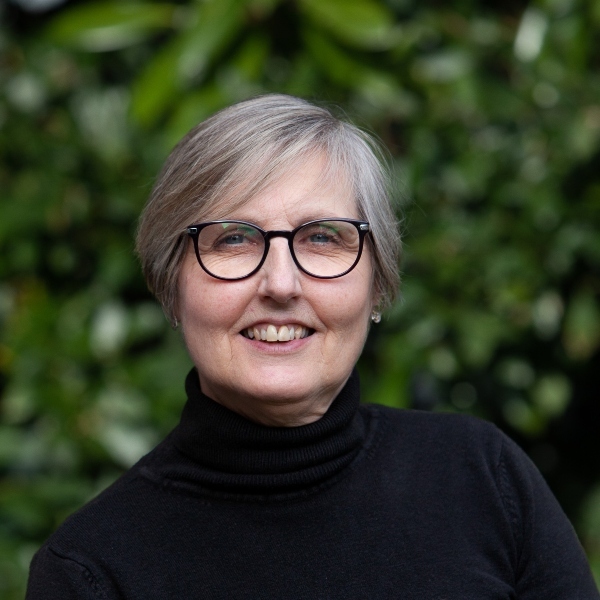
Julia Manning-Morton
Julia Manning-Morton
Julia Manning-Morton is a consultant, trainer, and author in Early Childhood Care and Education with a career spanning 45 years across diverse roles in practice and higher education. She has delivered training and spoken at conferences nationally and internationally, and her pedagogical approach is strongly influenced by Froebelian and Piklerian principles.
Julia is passionate about the wellbeing of both children and educators, with her research, writing, and training aimed at inspiring practitioners to make a positive difference in the lives of babies, young children, and their families. She has published widely, including From Birth to Three: An Early Years Educators Handbook (2024) and influential articles on observation, respectful care, and professionalism in early childhood.

Riemer Brandsma
Riemer Brandsma began his Montessori journey through the Montessori Model United Nations and has since played a key role in the previous Montessori Europe Adolescent Forums. He also collaborates with the Dutch Montessori Association to strengthen student participation and has been active in international projects since 2023.
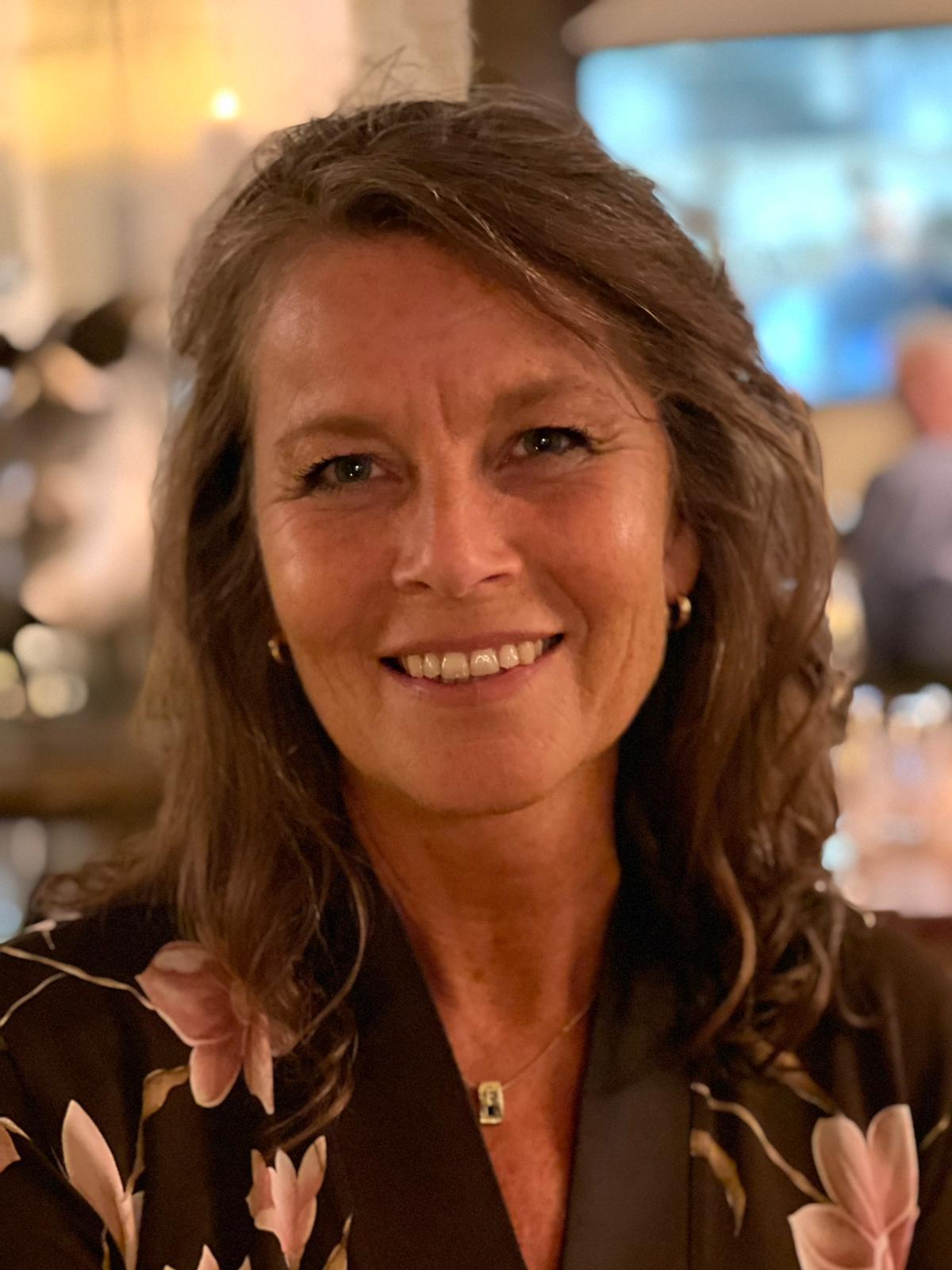
San van Donselaar
San van Donselaar was educated entirely in Montessori schools and has dedicated her career to Montessori education as a geography teacher, teacher trainer, and principal of several secondary schools. For the past three years, she has served as Chair of the Dutch Montessori Association, bringing over two decades of leadership experience to her work.

Andrea Ng-Willis
Andrea Ng-Willis is the Director of Academics and Innovation Lead at Lauremont School in Toronto, Canada. She brings extensive experience in both elementary and adult learning and is known for bridging visionary thinking with practical strategies. Her leadership emphasises cross-disciplinary learning, equity, inclusion, and sustainability, empowering both students and educators. Andrea champions purposeful inquiry, digital citizenship, and eco-literacy as essential foundations for education in a complex, interconnected world.

Rachel Marks
Rachel Marks is the Deputy Head of School at Lauremont School (formerly TMS) in Toronto, Canada. With 28 years of experience in Montessori education, she has played a central role in guiding students and families while integrating Montessori principles with contemporary educational innovations. Rachel is a passionate advocate for child-centred learning that fosters independence, critical thinking, and social responsibility, ensuring each student is seen, supported, and inspired to reach their full potential.

Wendy Ellyatt – Futurist, Educator, and Systems Innovator
Wendy Ellyatt is a futurist and leading advocate for eco-systemic flourishing. She is the founder of the Flourish Project and creator of the Eco-Systemic Flourishing (ESF) Framework, which integrates science, spirituality, and cultural wisdom to support human and ecological wellbeing.
A long-standing contributor to Montessori education, Wendy authored The Parent’s Guide to Montessori, wrote extensively for Montessori International, and has become a globally recognised voice in integral approaches to early childhood and human development.
She has also founded initiatives such as National Children’s Day UK, the UK Spirituality in Education Alliance, and Global Healing Day, and serves on international councils including the Wellbeing Economy Alliance and the Spirit of Humanity Forum. Through her research, leadership, and writing, she champions education and policy grounded in care, compassion, and coherence with living systems.

Dr. Gunta Kalvāne
Dr. Gunta Kalvāne is a geographer, researcher, and Montessori mother of three, passionate about education for sustainable development, climate education, and citizen science. A lead researcher at the University of Latvia, she is also an experienced facilitator and science communicator who strongly believes in the power of community.
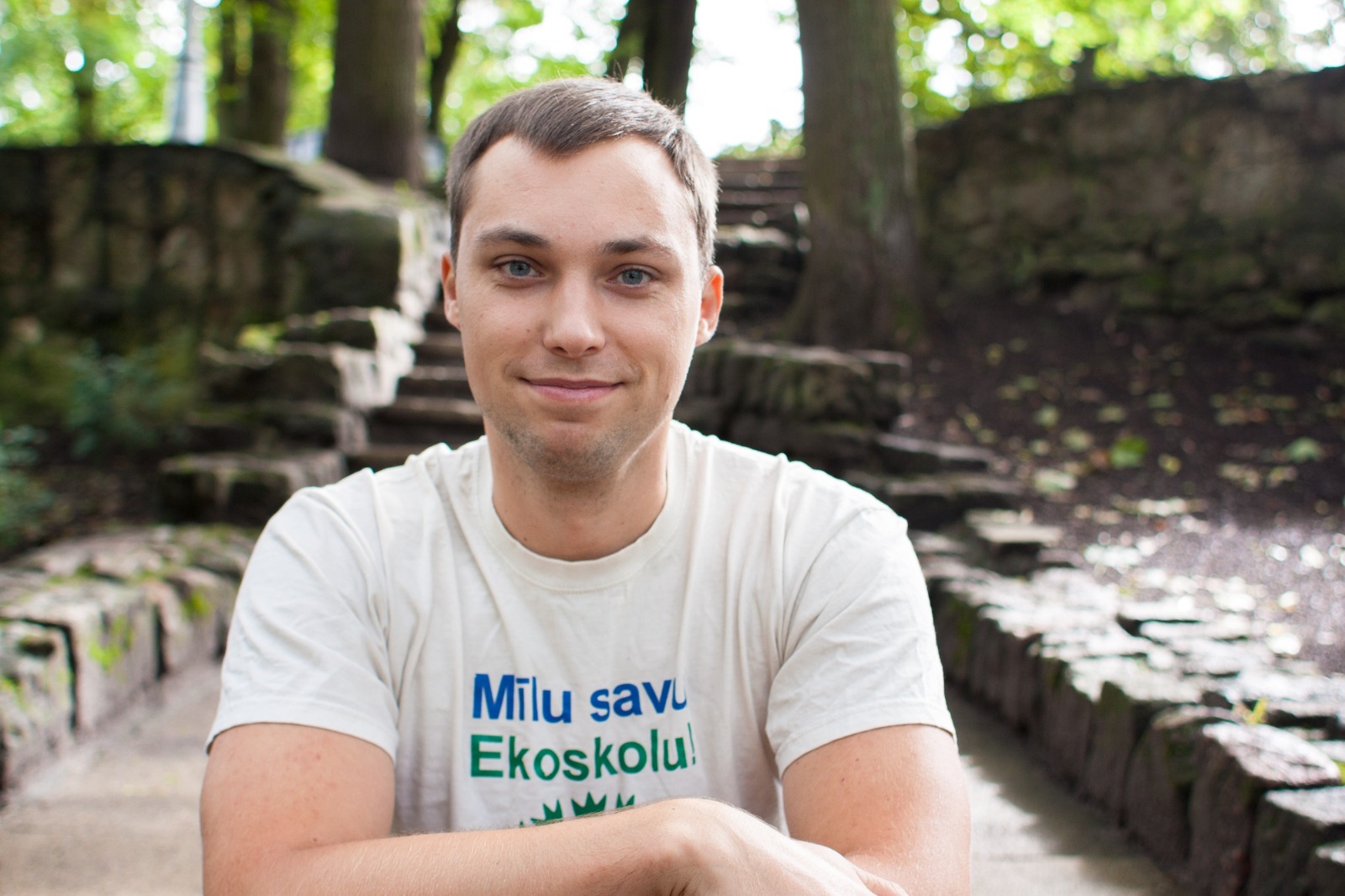
Daniels Trukšāns
Daniels Trukšāns has led Latvia’s Eco-Schools Program since 2010, guiding its growth from kindergartens to universities. With a Master’s in Environmental Management, he is currently pursuing a doctorate in Environmental Sciences at the University of Latvia. He is an experienced environmental project manager, event planner, and dedicated educator committed to embedding sustainability in education.

Līva Kraujiņa
Līva Kraujiņa is the National Coordinator of Latvia’s Eco-Schools Program, where she combines her expertise in environmental law, cultural event management, and photography to support program implementation nationwide. Currently completing her Master’s in Law with a focus on environmental law, she is passionate about empowering schools and communities to live sustainably.

Carola Lång Howard
Originally from Sweden and now residing in Cyprus, Carola Lång-Howard brings over 30 years of experience in Montessori education, having lived and worked in various countries throughout Europe and the Middle East. Her extensive international experience has given her a rich understanding of diverse cultures. A devoted mother and grandmother, Carola is deeply passionate about environmental stewardship, particularly in fostering a sense of responsibility for the planet in young children.
Since 2020, Carola has served on the board of Montessori Europe, where she leads the Sustainability Working Group.
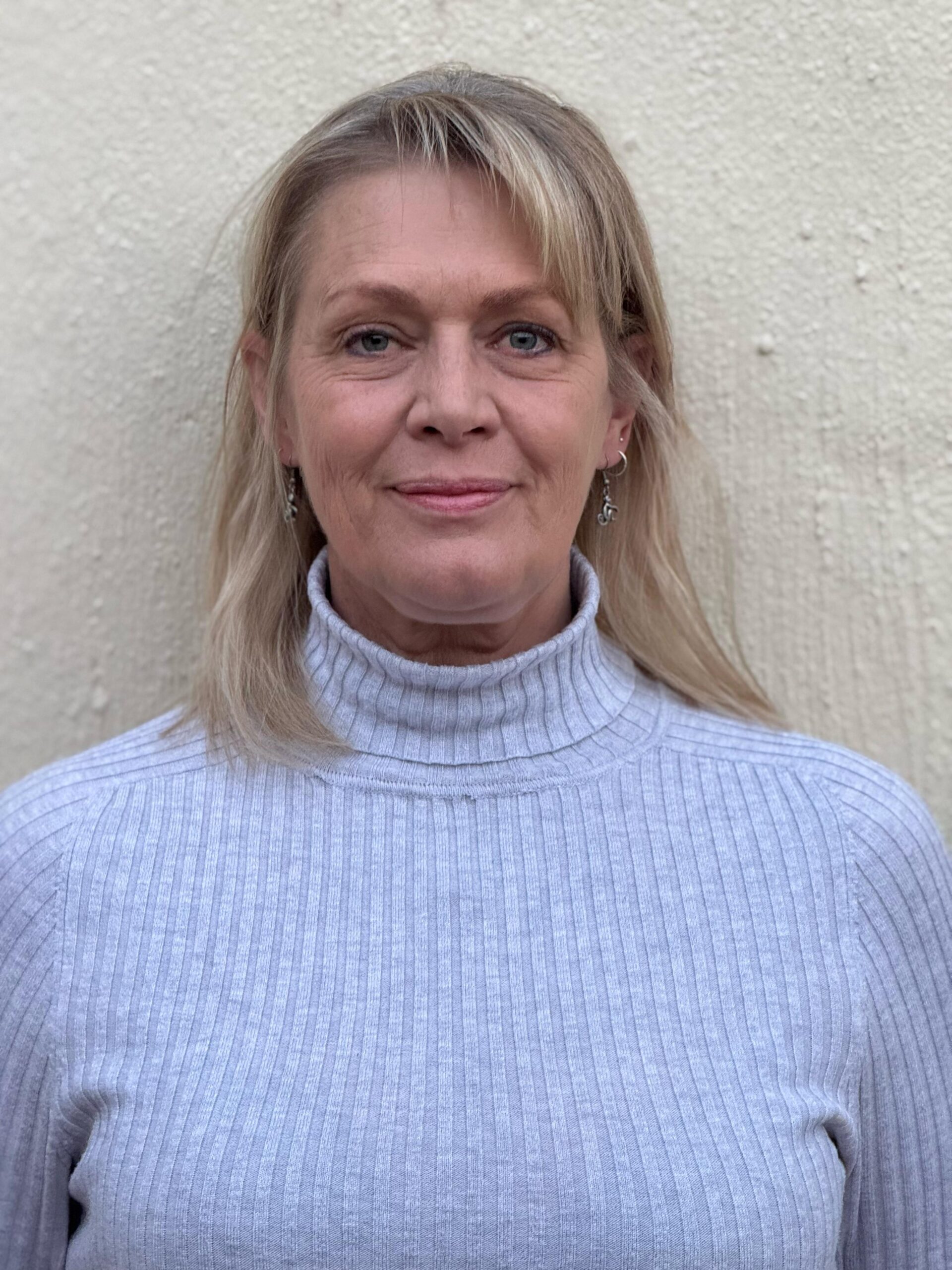
Heidi van Staden
Heidi van Staden is the co-founder, co-owner, and principal of Montessori Academy and College in Pretoria, South Africa, a school serving children from toddler age through to A-level. She is also a founding director of Montessori Centre South Africa, which offers Montessori teacher training throughout Southern Africa.
Heidi has played a significant role in the South African Montessori Association, having served as both President and Trustee, and she continues to represent Montessori interests at the government level through the Independent Schools Association.
Alongside a BA in Psychology and Communications and a PGCE from the University of South Africa, Heidi also holds Montessori diplomas from St. Nicholas London (ages 2½ – 9) and Mercy Montessori Africa (ages 9-12). In 2010, she completed the Montessori Orientation to Adolescence program with NAMTA/AMI in Cleveland, Ohio. In 2022, she earned her Master’s Degree in Montessori Education from Anglia Ruskin University in the UK.
A passionate advocate for quality education and the training of exceptional Montessori teachers, Heidi sees each child as a beacon of humanity’s future potential. She believes that the world is in urgent need of recalibration and that the foundational respect at the core of Montessori education could spark vital conversations to foster a more sustainable future.